 Bild 1 von 1
Museum Archival Print
in following sizes:
60×45 cm (Edition 25 + 3 AP), 6.000,- Euro
80×60 cm (Edition 15 + 2 AP), 9.000,- Euro
120×90 cm (Edition 10 + 2 AP), 13.000,- Euro
180x135 cm (Edition 5 + 2 AP), 22.000,- Euro
About this fine art print:
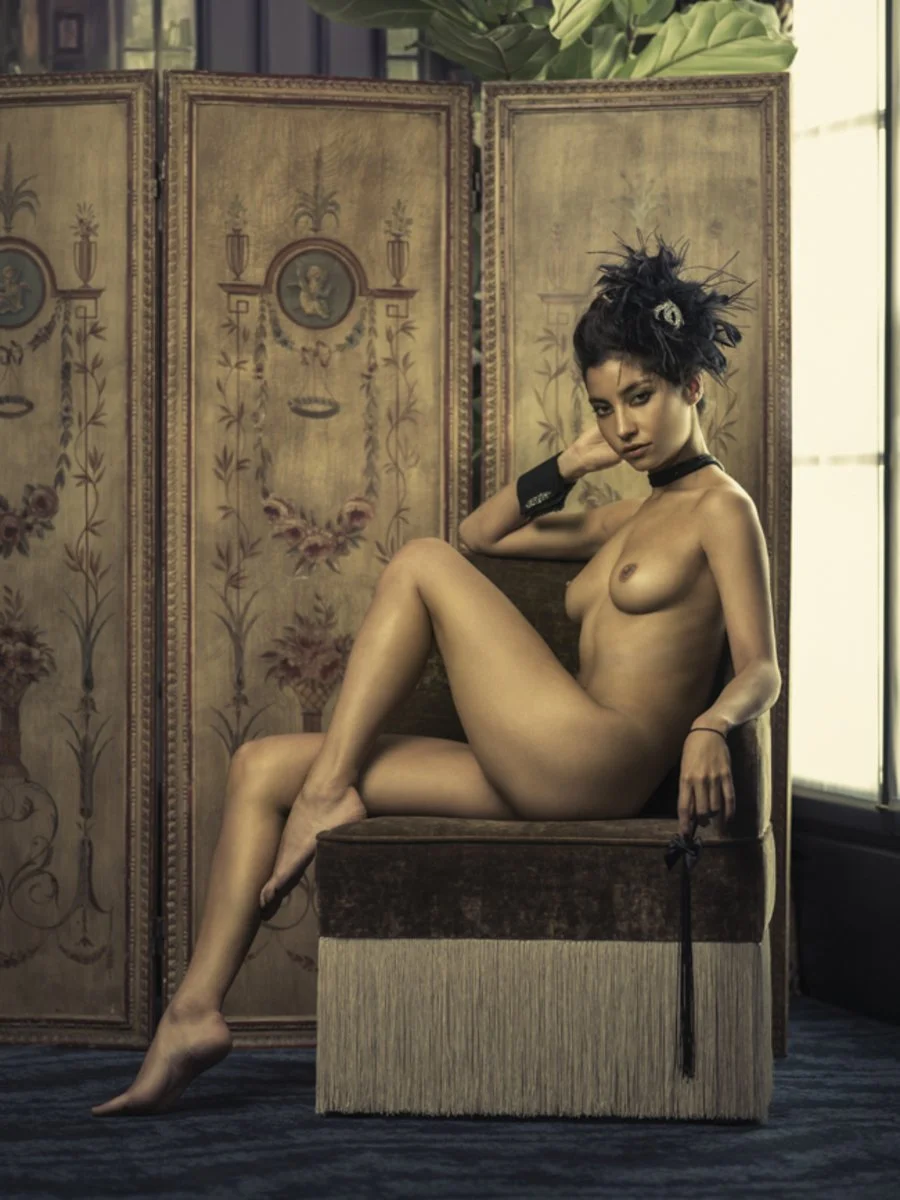
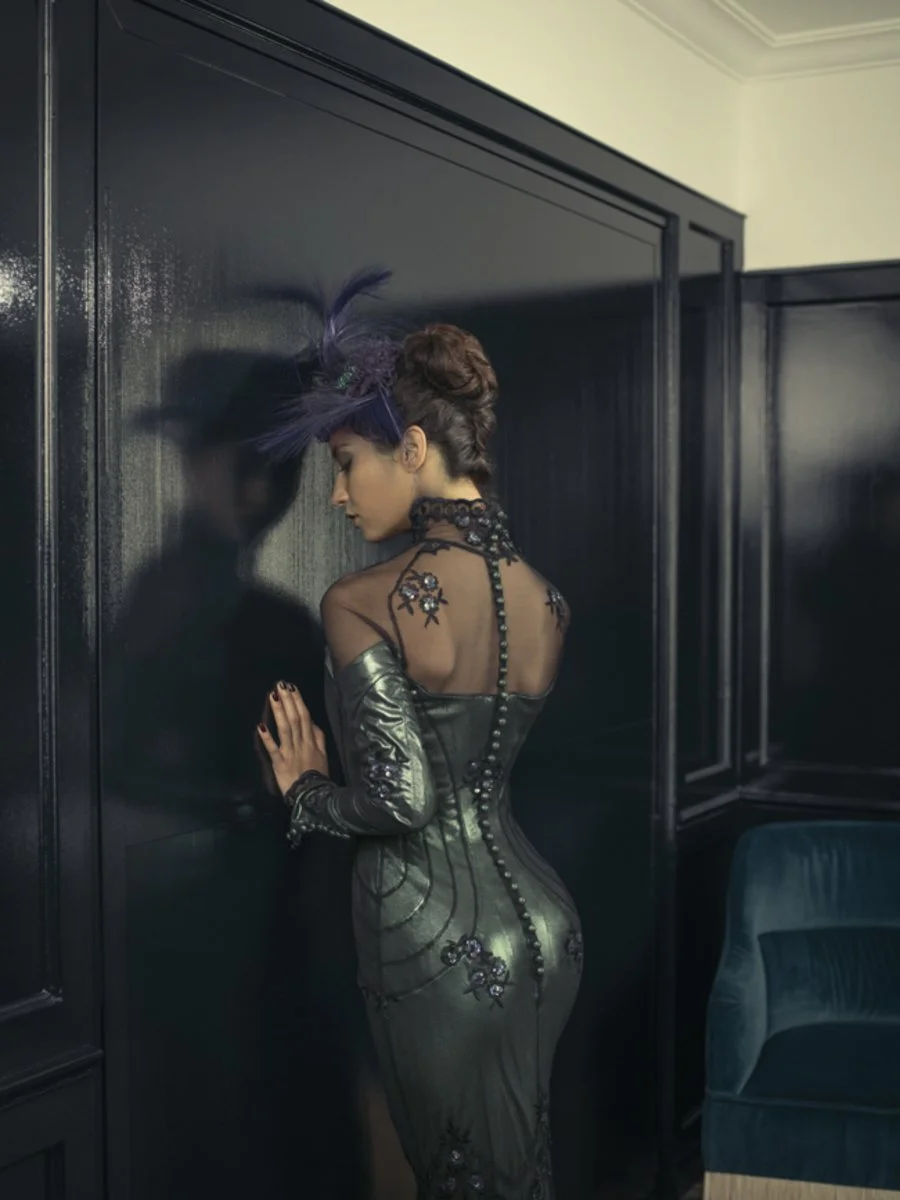
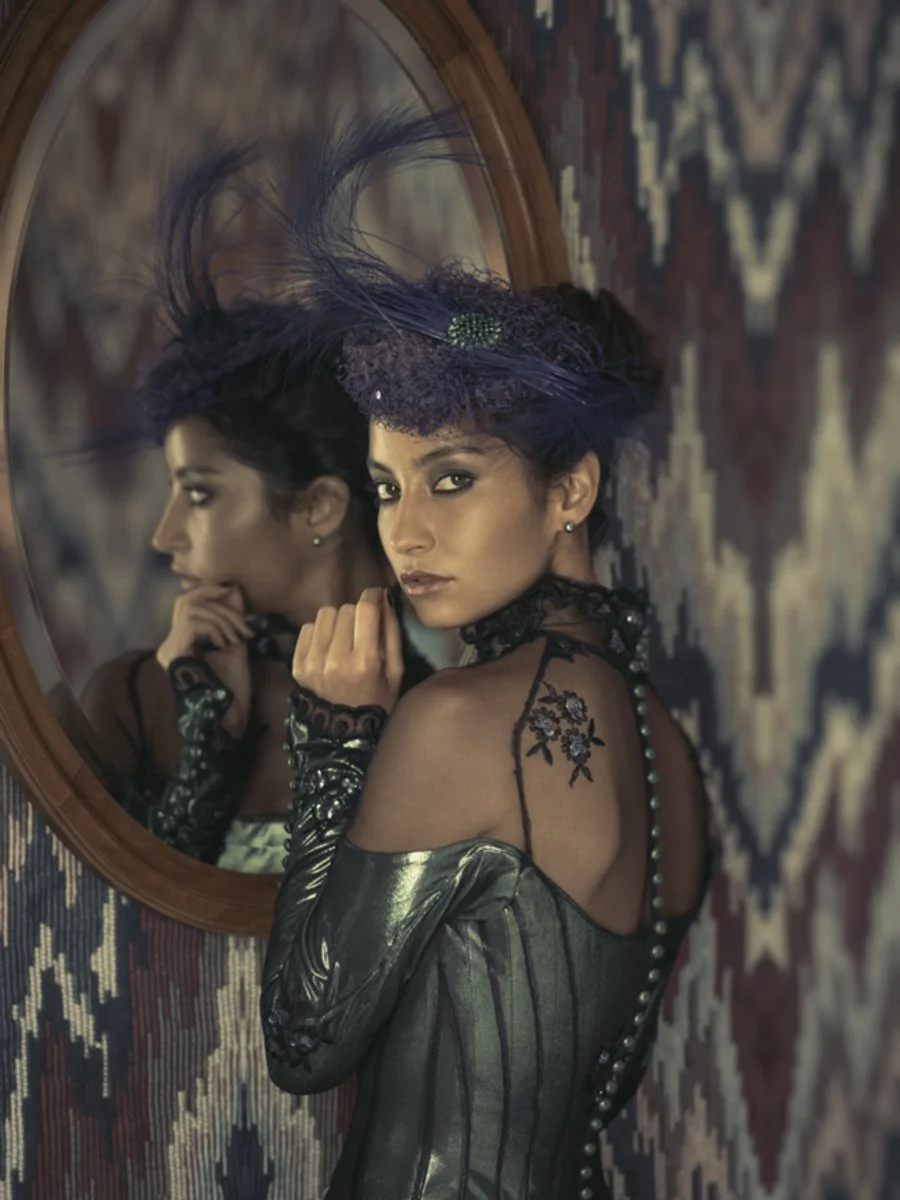
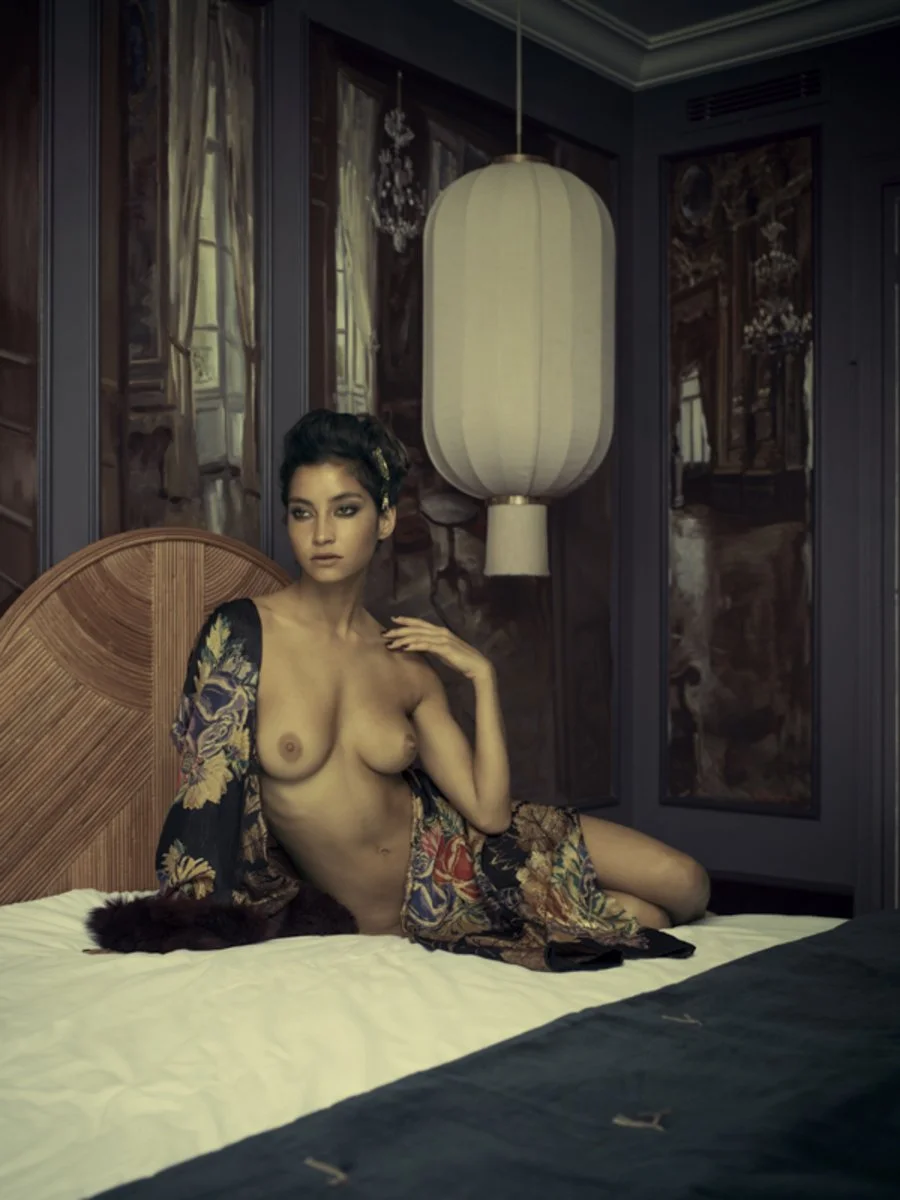
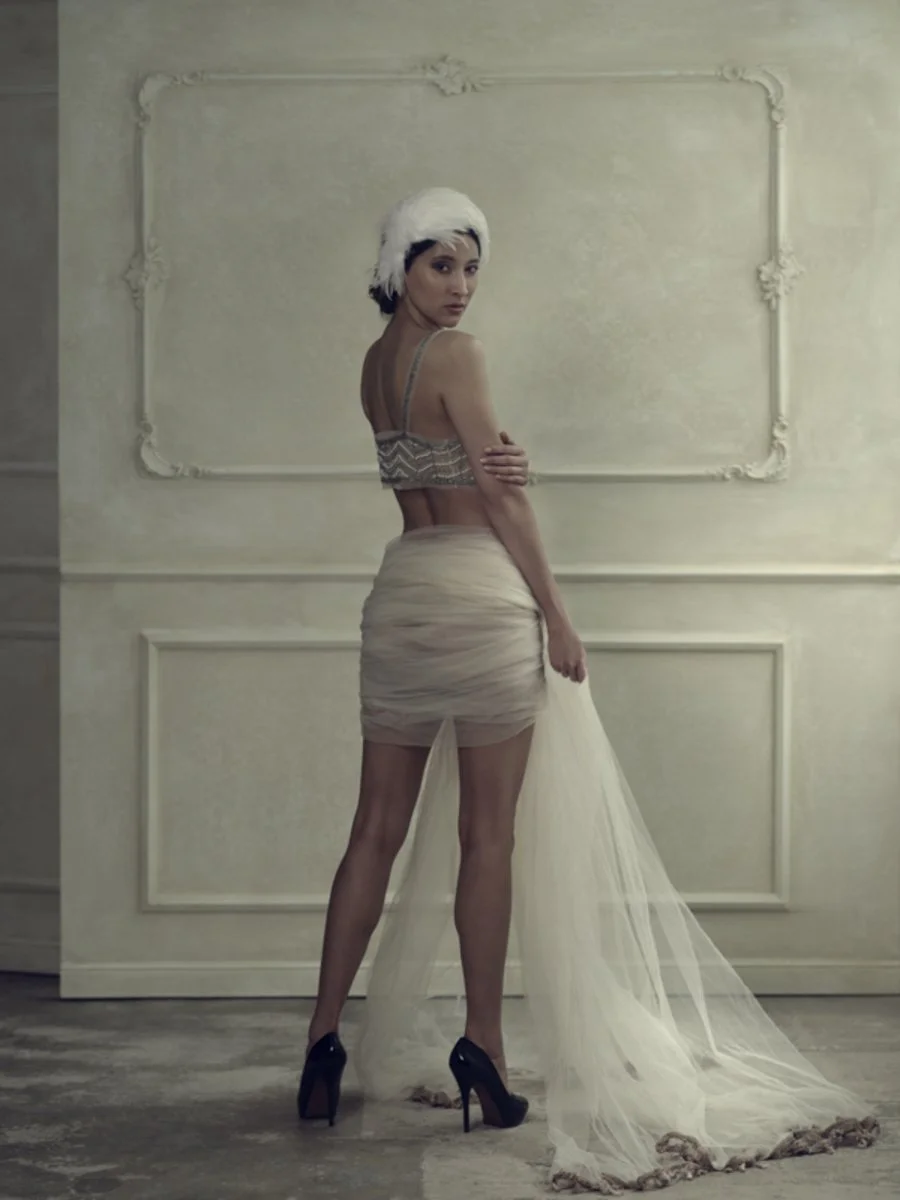
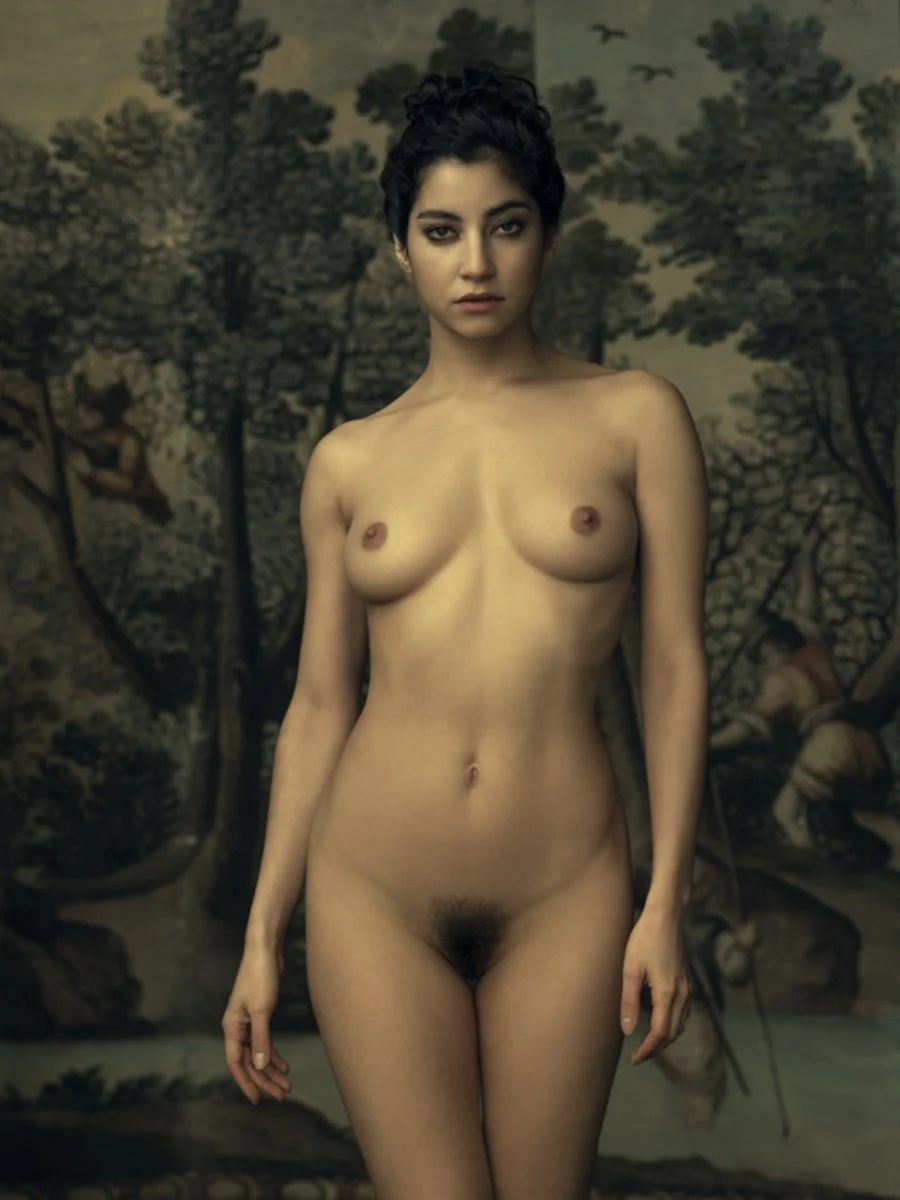
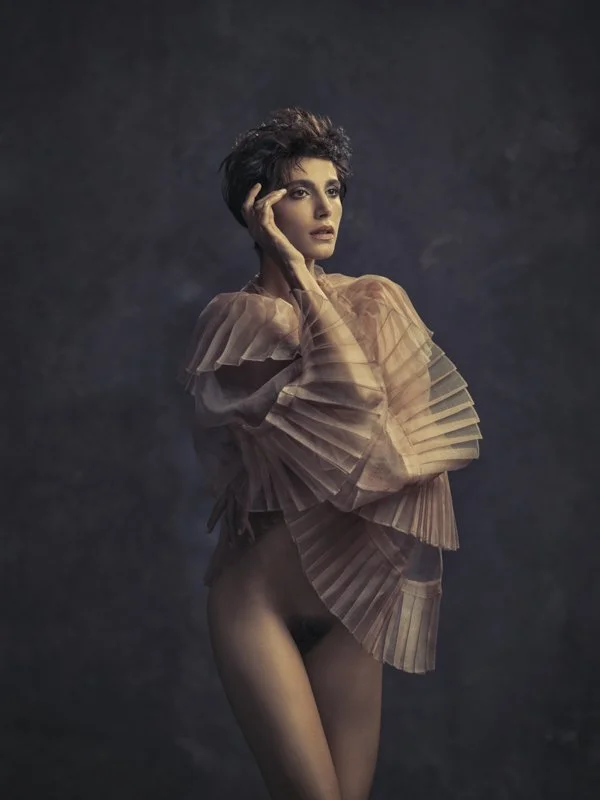
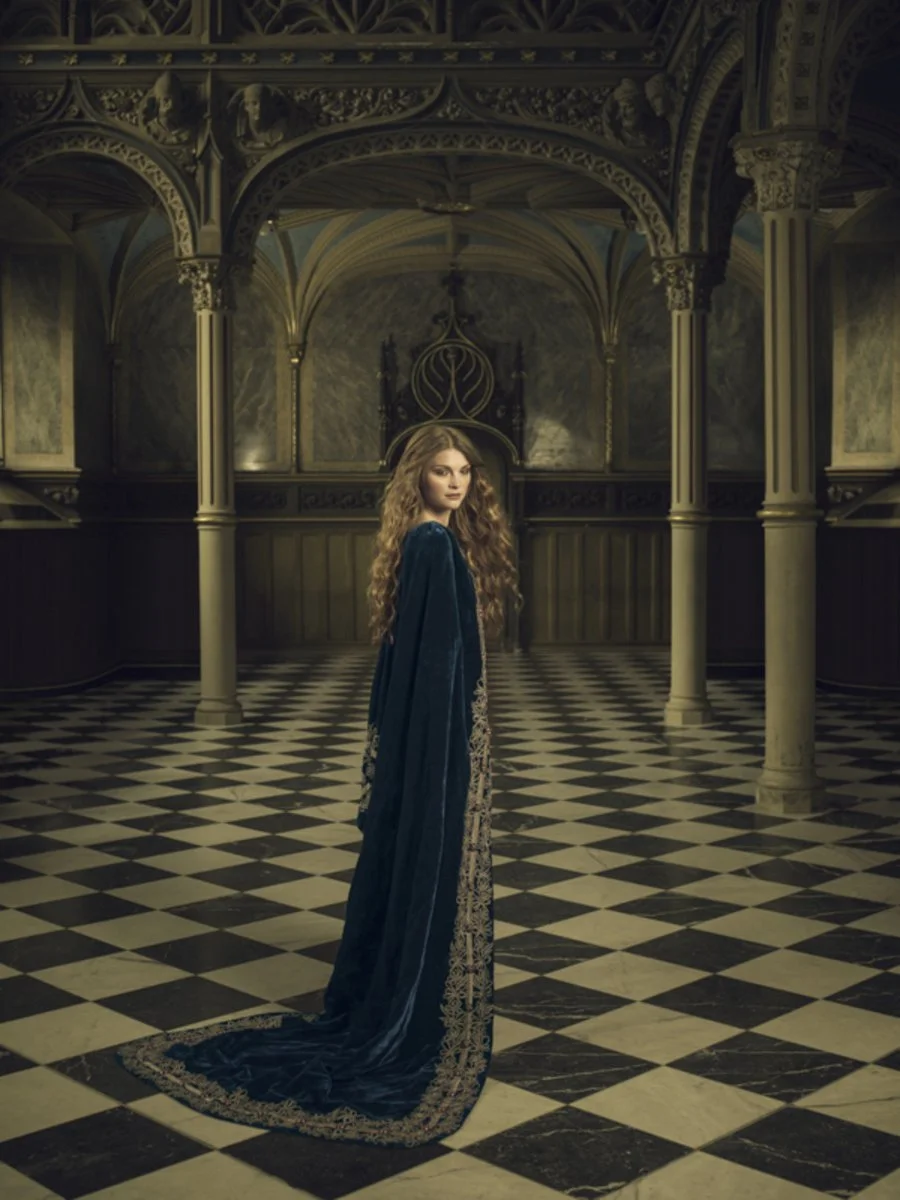
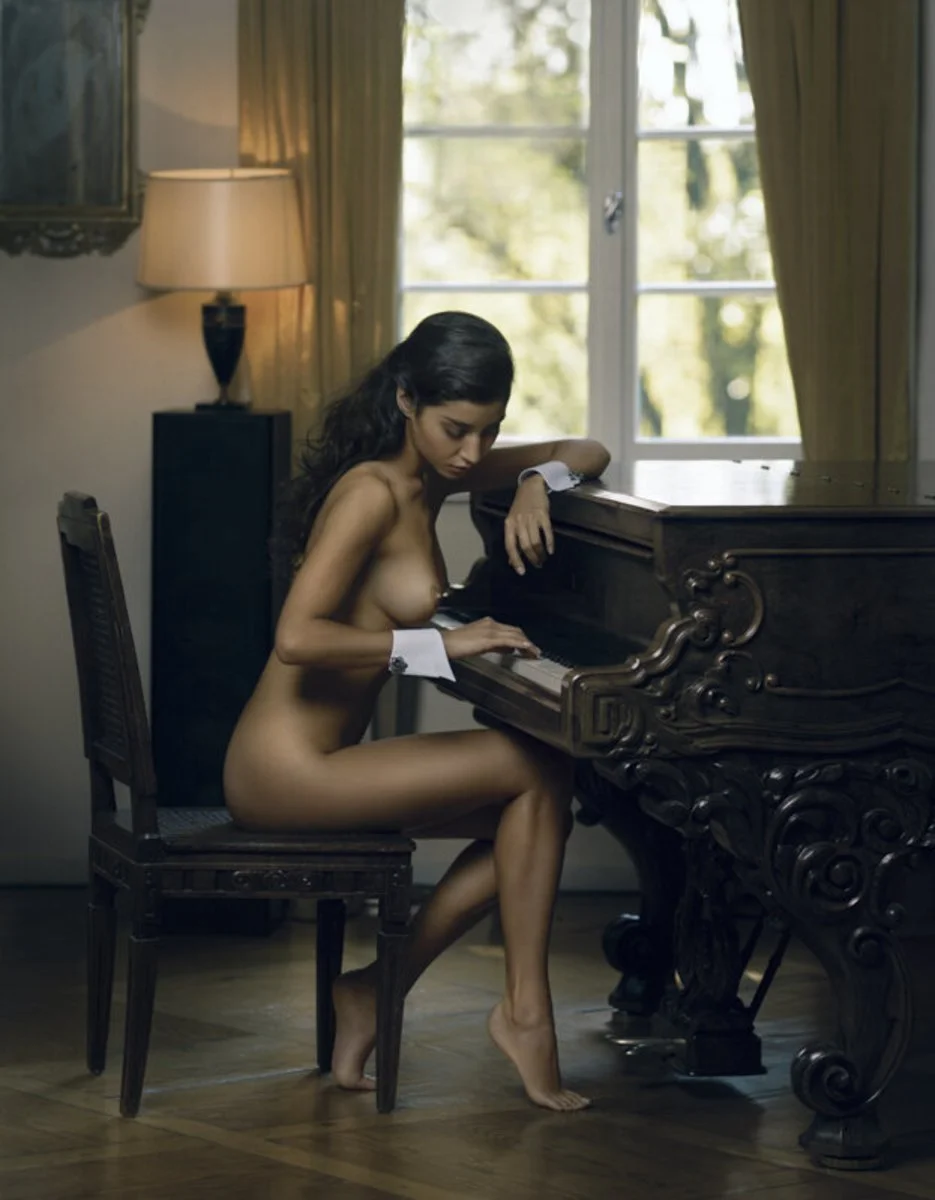
In Tina Trumpp’s work, the piano and the human body enter into a quiet conversation. What begins as sound becomes form; what begins as a gaze turns into rhythm. The piano player, poised between concentration and surrender, embodies the fragile balance of discipline and emotion. Her hands, tracing melodies across the keys, echo the curves and lines that define the body itself — both instruments capable of profound expression without the need for words.
The nude, long reduced in art history to an image of desire, is reclaimed here as a state of authenticity, a return to essence. In Trumpp’s photographs, nakedness is not exposure, but liberation — a visual resonance of the inner tone that music itself evokes. The body becomes an instrument of truth, vibrating softly between strength and sensitivity.
Light, shadow, and skin compose new symphonies of intimacy. Each image carries a kind of silence, a pause between notes, where emotion lingers and breath becomes visible. In this fusion of the sensual and the spiritual, Trumpp reveals the invisible music of being — subtle, tender, and endlessly human.
Museum Archival Print
in following sizes:
60×45 cm (Edition 25 + 3 AP), 6.000,- Euro
80×60 cm (Edition 15 + 2 AP), 9.000,- Euro
120×90 cm (Edition 10 + 2 AP), 13.000,- Euro
180x135 cm (Edition 5 + 2 AP), 22.000,- Euro
About this fine art print:
In Tina Trumpp’s work, the piano and the human body enter into a quiet conversation. What begins as sound becomes form; what begins as a gaze turns into rhythm. The piano player, poised between concentration and surrender, embodies the fragile balance of discipline and emotion. Her hands, tracing melodies across the keys, echo the curves and lines that define the body itself — both instruments capable of profound expression without the need for words.
The nude, long reduced in art history to an image of desire, is reclaimed here as a state of authenticity, a return to essence. In Trumpp’s photographs, nakedness is not exposure, but liberation — a visual resonance of the inner tone that music itself evokes. The body becomes an instrument of truth, vibrating softly between strength and sensitivity.
Light, shadow, and skin compose new symphonies of intimacy. Each image carries a kind of silence, a pause between notes, where emotion lingers and breath becomes visible. In this fusion of the sensual and the spiritual, Trumpp reveals the invisible music of being — subtle, tender, and endlessly human.