 Bild 1 von 1
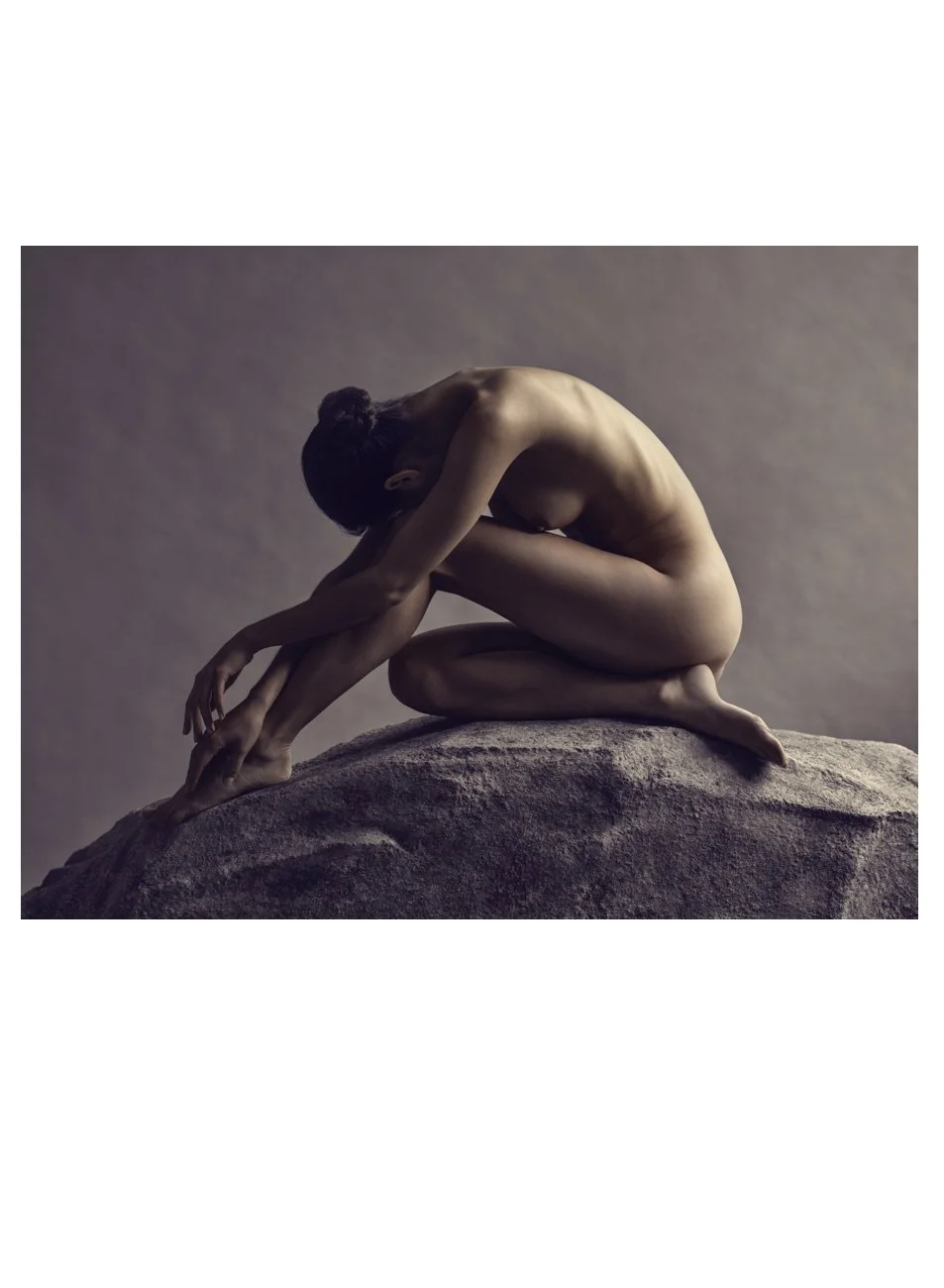
Museum Archival Print
in following sizes:
60×45 cm (Edition 25 + 3 AP), 6.000,- Euro
80×60 cm (Edition 15 + 2 AP), 9.000,- Euro
120×90 cm (Edition 10 + 2 AP), 13.000,- Euro
180x135 cm (Edition 5 + 2 AP), 22.000,- Euro
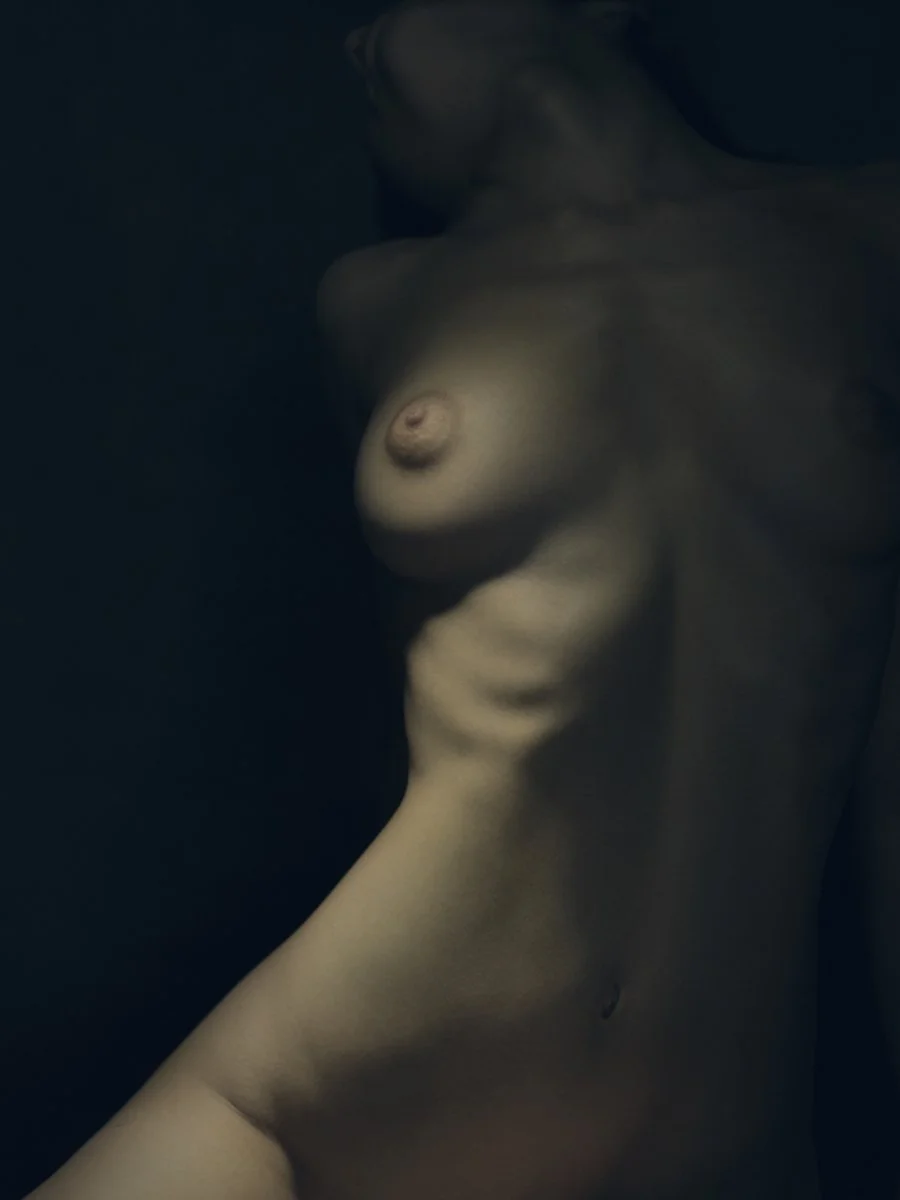
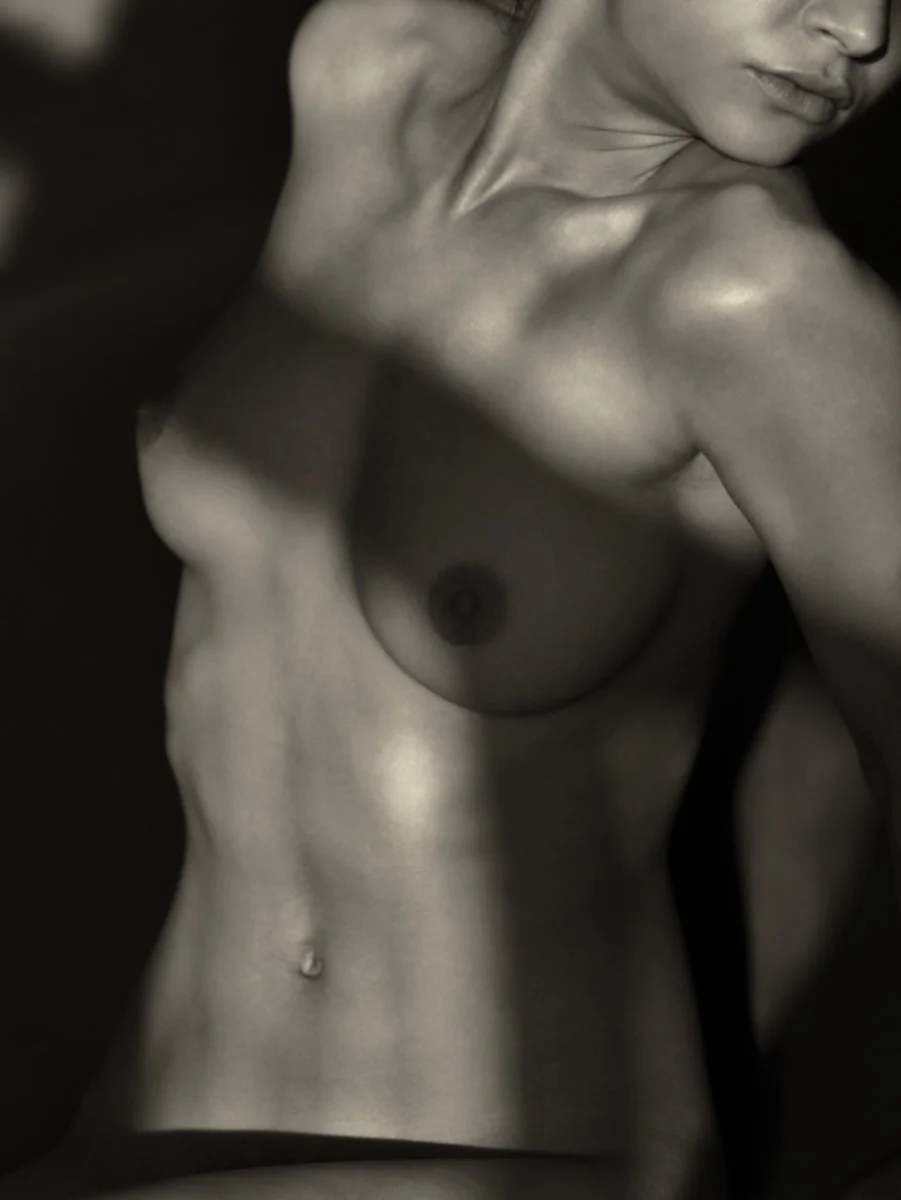
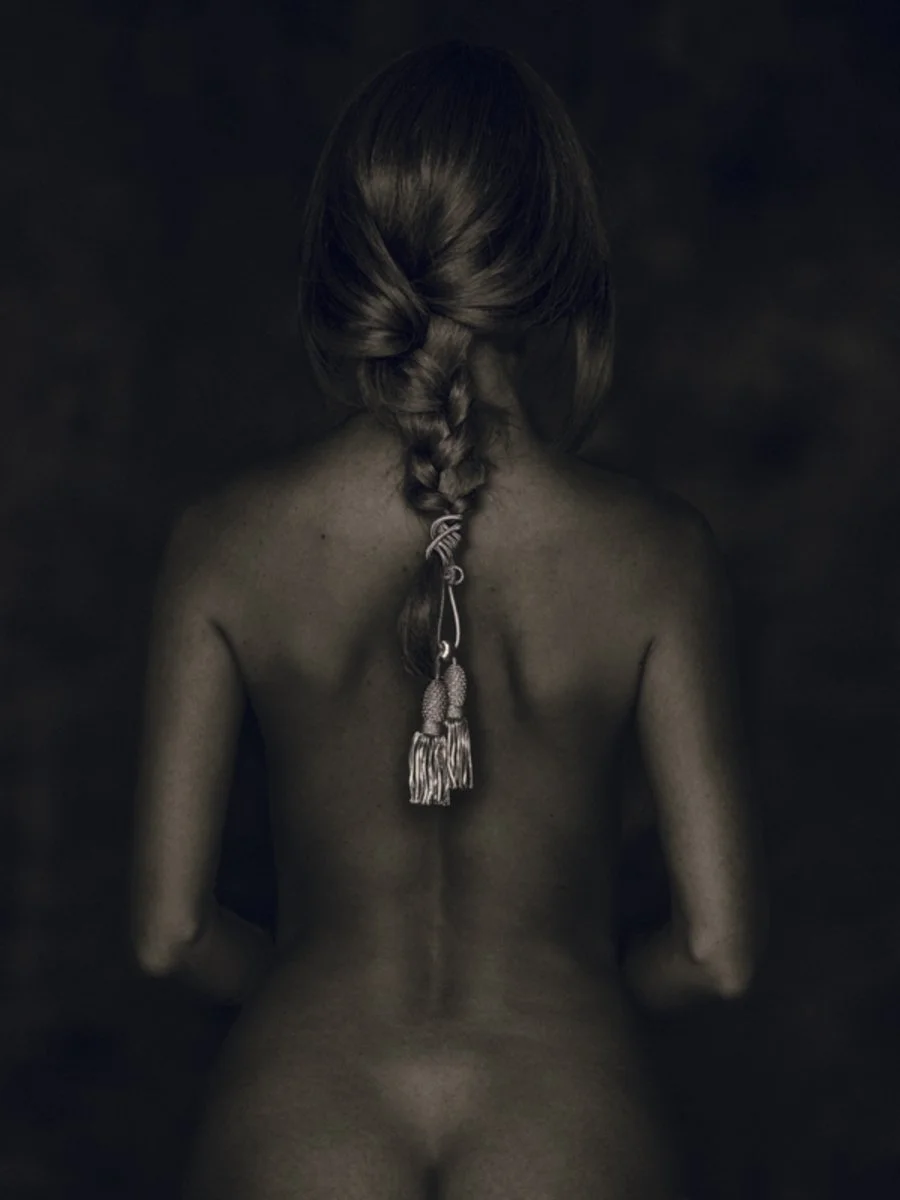
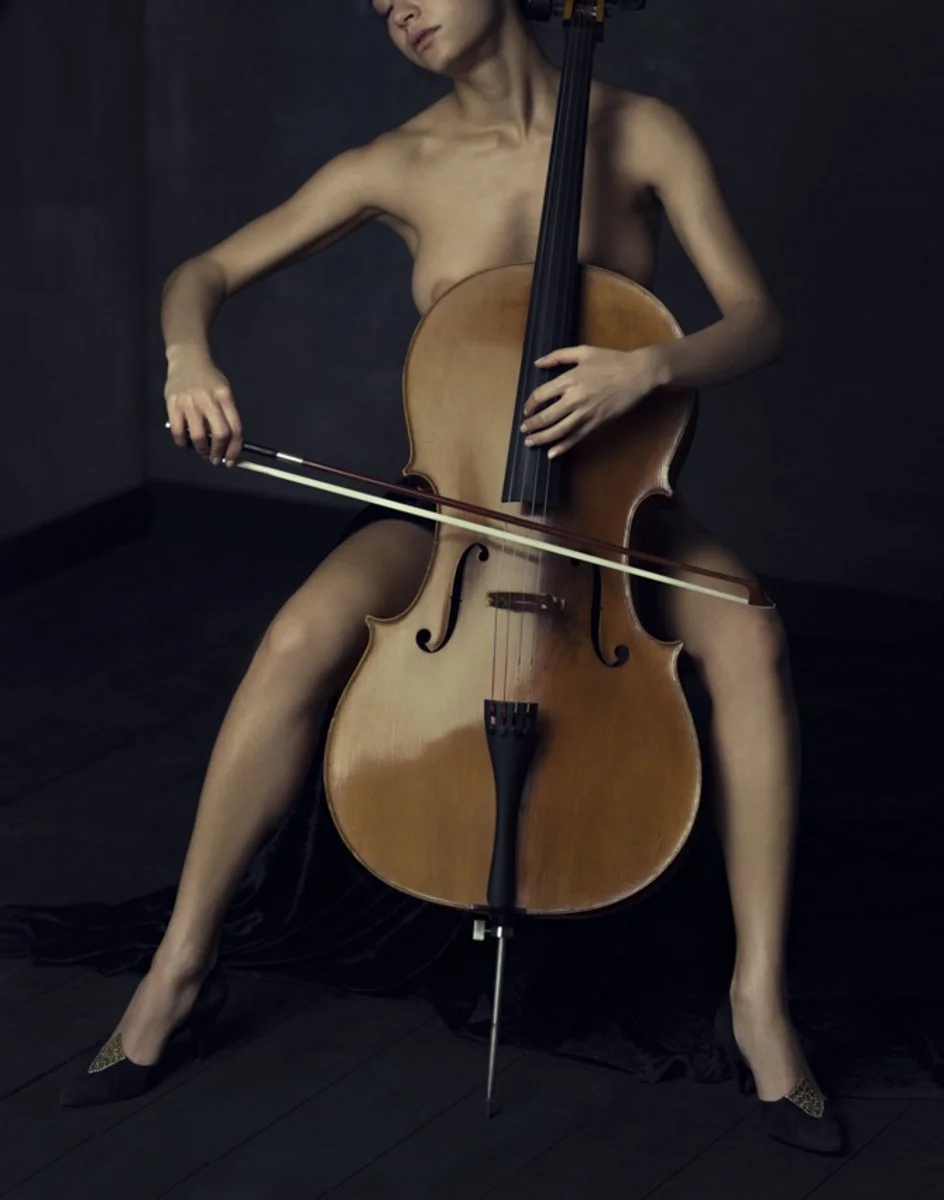
This fine art print was exhibited at PAN Amsterdam, a famous art fair for contemporary art in Europe.
From the earliest classical sculptures of ancient Greece to the expressive interpretations of modern and contemporary artists, the nude has served as a powerful artistic language. In antiquity, the human body symbolized harmony, balance, and ideal proportion. Sculptors studied anatomy with extraordinary precision, striving to capture both physical perfection and the inner vitality of the figure.
During the Renaissance, artists renewed their fascination with the human form through scientific study and philosophical inquiry. The nude became a vehicle for exploring the relationship between humanity, nature, and the divine. Artists carefully observed muscles, movement, and posture, transforming the body into a site of intellectual and artistic exploration.
In modern and contemporary art, the nude has taken on new meanings. Artists have challenged classical ideals, presenting bodies that are expressive, fragmented, abstracted, or deeply personal. Rather than representing perfection, these works often highlight individuality, emotion, and the complexity of human identity.
By presenting the body in its most essential form, these artworks remind us that the human figure remains a universal symbol—capable of expressing strength and fragility, beauty and imperfection, timeless ideals and contemporary realities.
Museum Archival Print
in following sizes:
60×45 cm (Edition 25 + 3 AP), 6.000,- Euro
80×60 cm (Edition 15 + 2 AP), 9.000,- Euro
120×90 cm (Edition 10 + 2 AP), 13.000,- Euro
180x135 cm (Edition 5 + 2 AP), 22.000,- Euro
This fine art print was exhibited at PAN Amsterdam, a famous art fair for contemporary art in Europe.
From the earliest classical sculptures of ancient Greece to the expressive interpretations of modern and contemporary artists, the nude has served as a powerful artistic language. In antiquity, the human body symbolized harmony, balance, and ideal proportion. Sculptors studied anatomy with extraordinary precision, striving to capture both physical perfection and the inner vitality of the figure.
During the Renaissance, artists renewed their fascination with the human form through scientific study and philosophical inquiry. The nude became a vehicle for exploring the relationship between humanity, nature, and the divine. Artists carefully observed muscles, movement, and posture, transforming the body into a site of intellectual and artistic exploration.
In modern and contemporary art, the nude has taken on new meanings. Artists have challenged classical ideals, presenting bodies that are expressive, fragmented, abstracted, or deeply personal. Rather than representing perfection, these works often highlight individuality, emotion, and the complexity of human identity.
By presenting the body in its most essential form, these artworks remind us that the human figure remains a universal symbol—capable of expressing strength and fragility, beauty and imperfection, timeless ideals and contemporary realities.