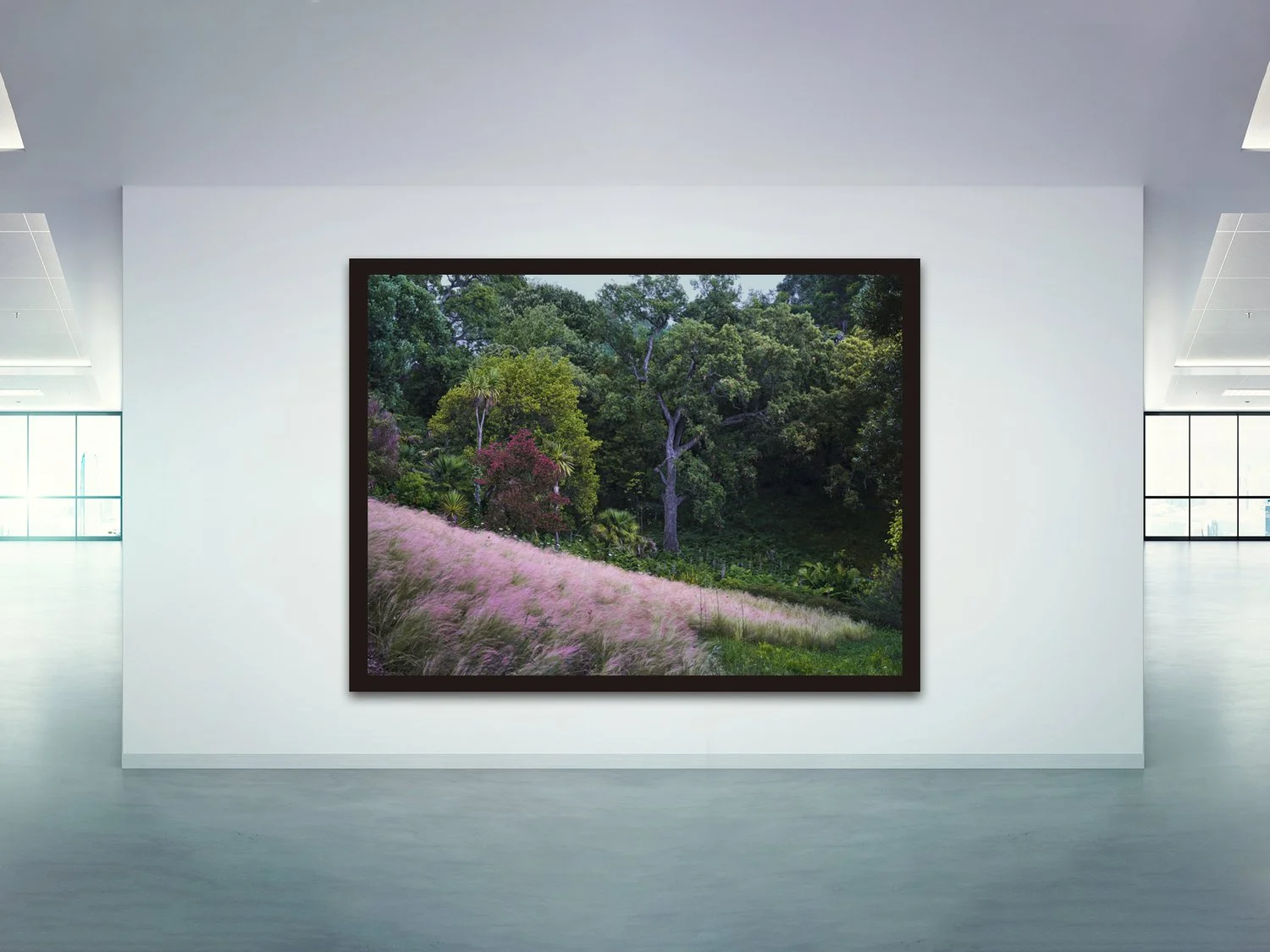
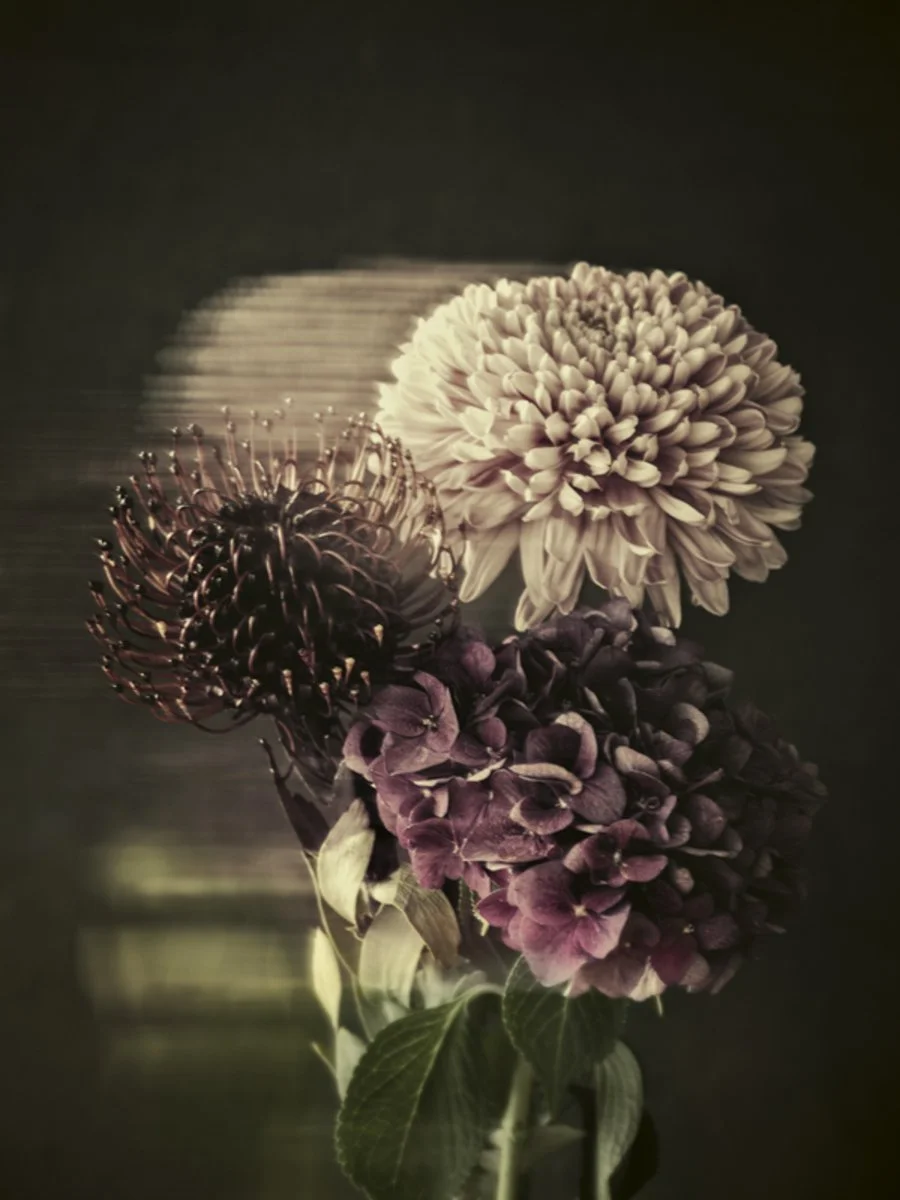
 Bild 1 von 3
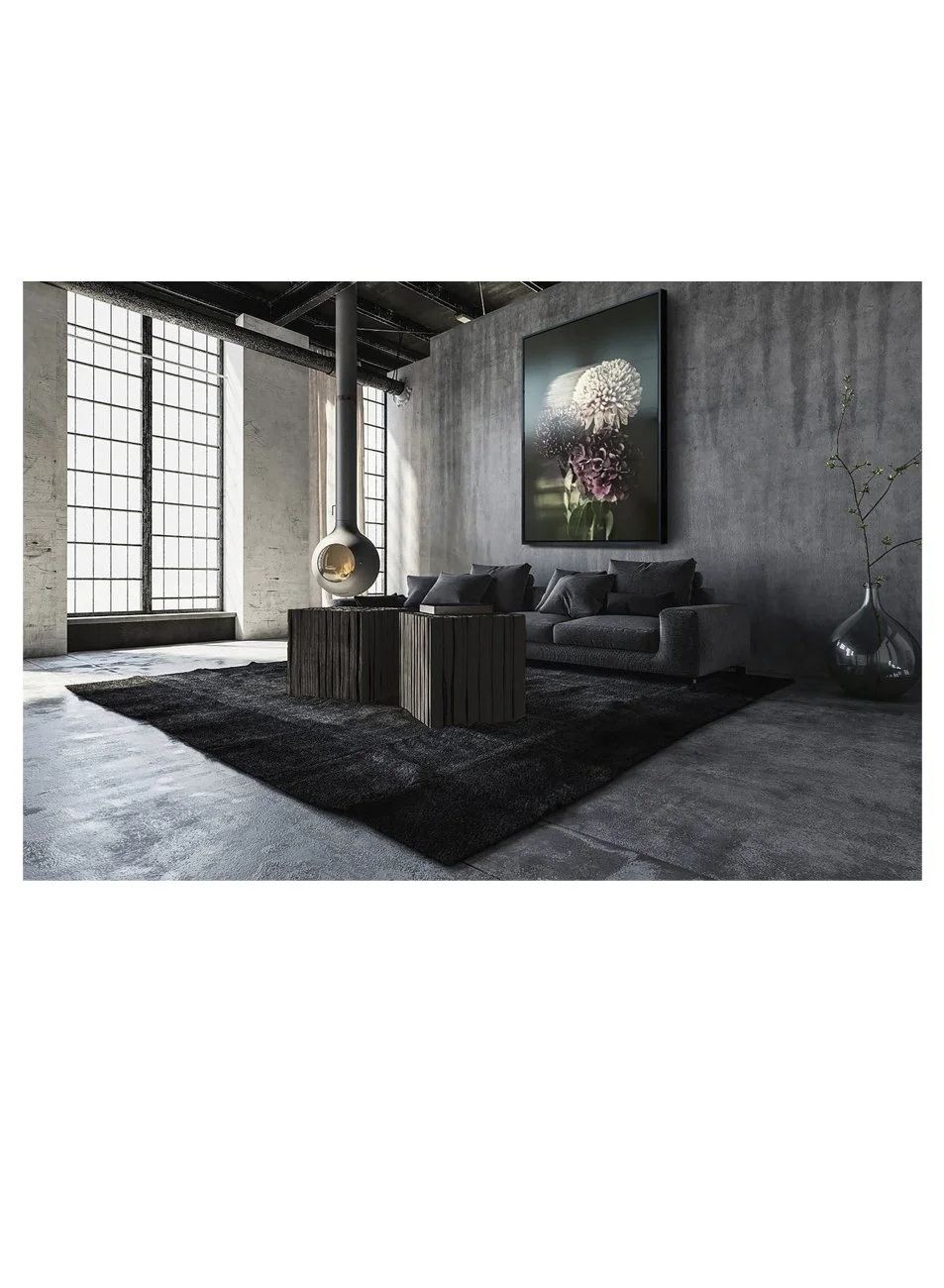 Bild 2 von 3
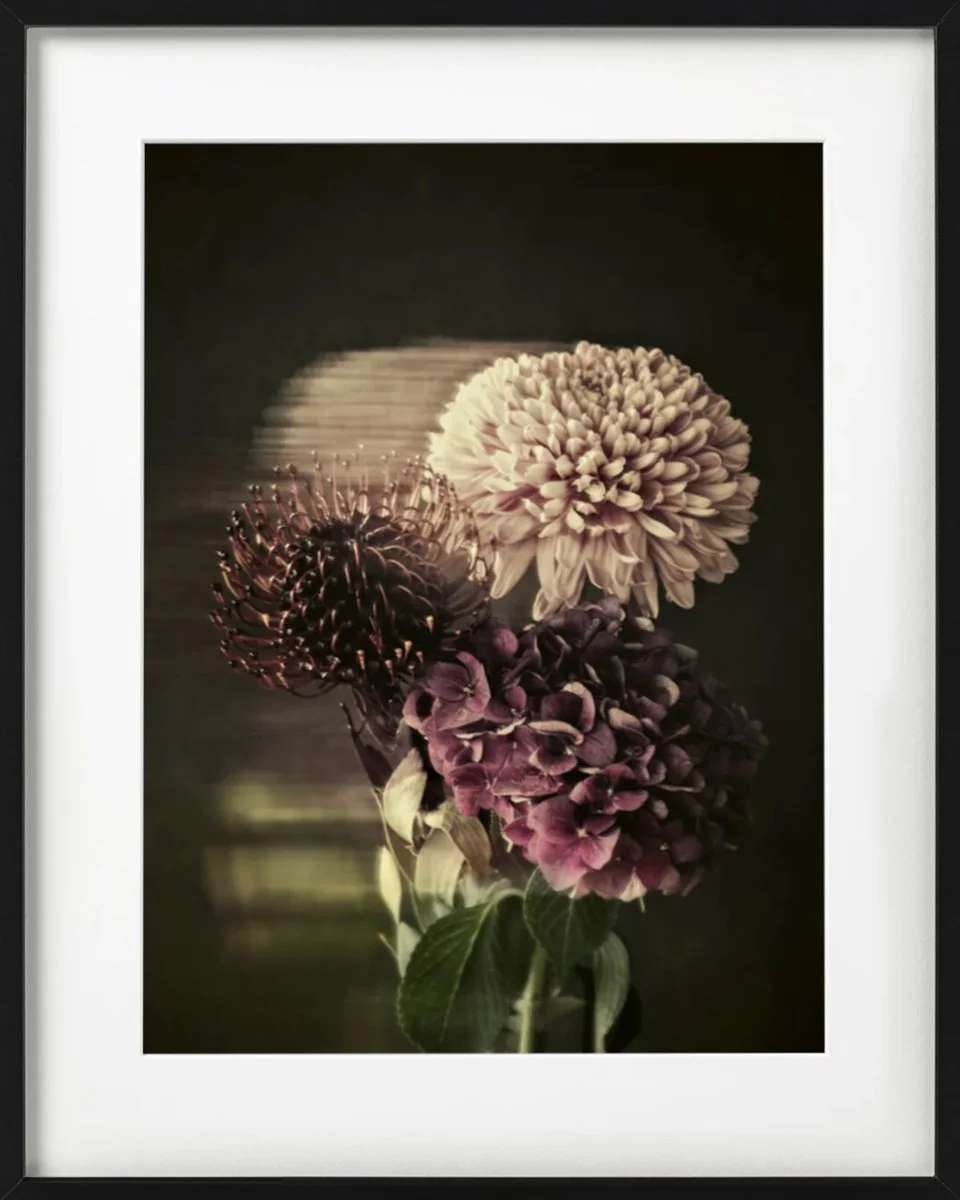 Bild 3 von 3
Museum Archival Print
in following sizes:
60×45 cm (Edition 25 + 3 AP), 6.000,- Euro
80×60 cm (Edition 15 + 2 AP), 9.000,- Euro
120×90 cm (Edition 10 + 2 AP), 13.000,- Euro
180x135 cm (Edition 5 + 2 AP), 22.000,- Euro
About this fine art print:
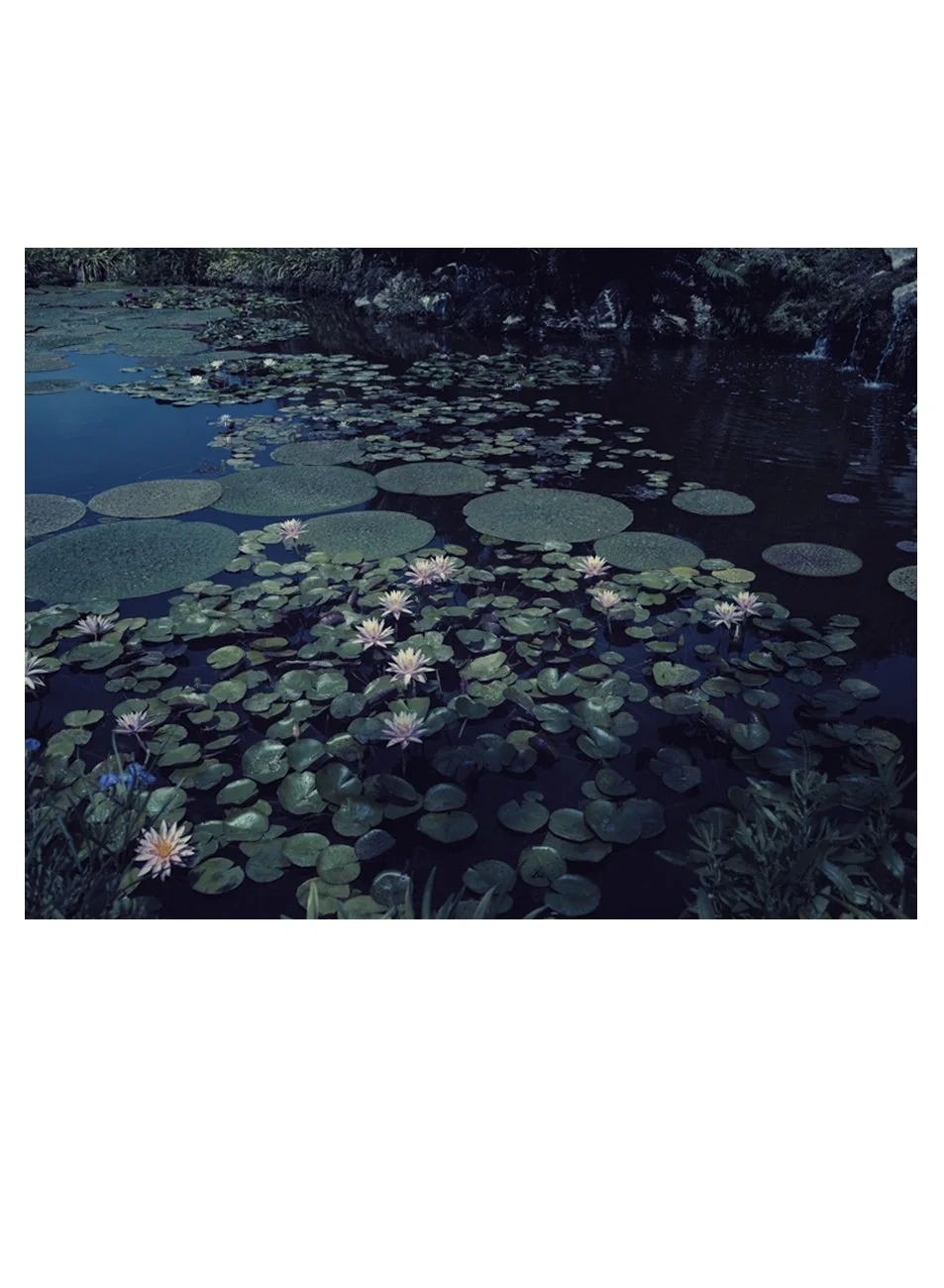
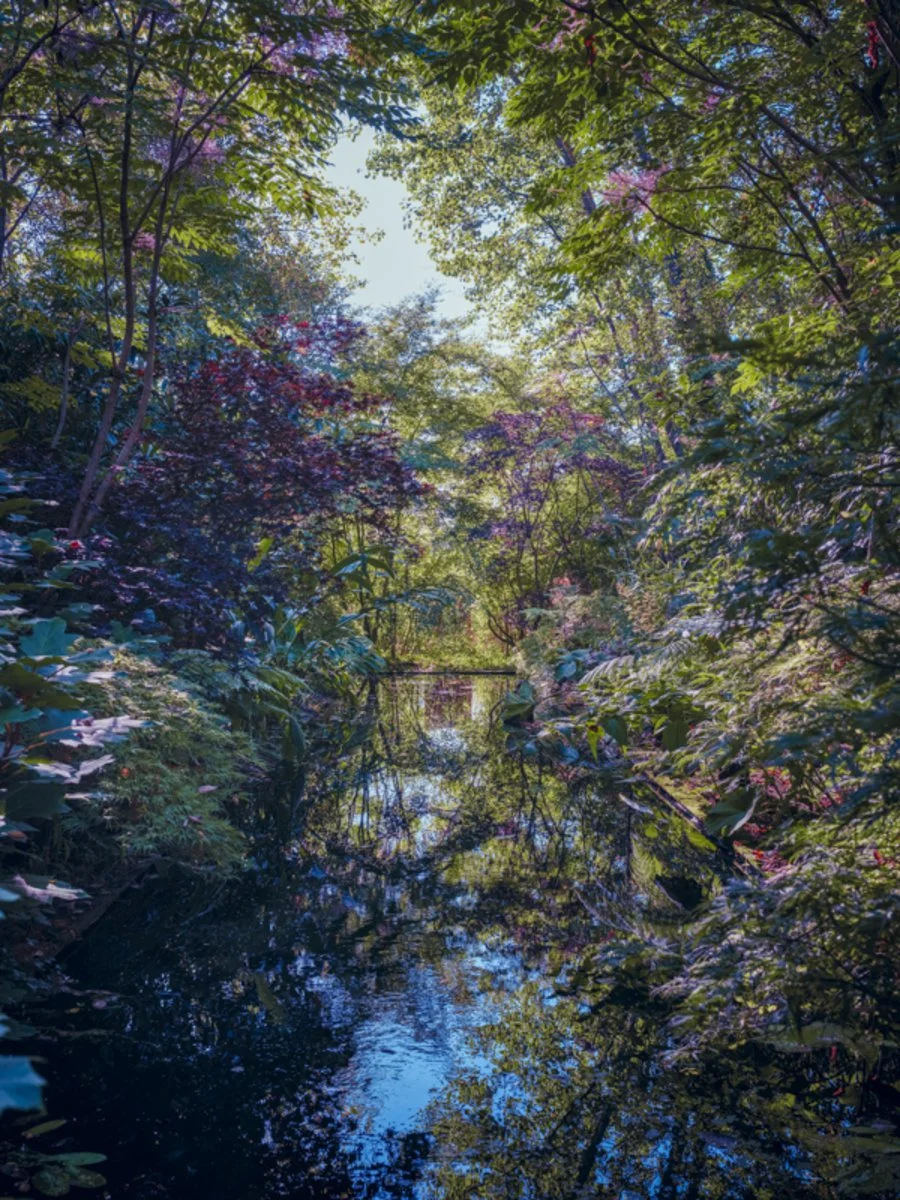
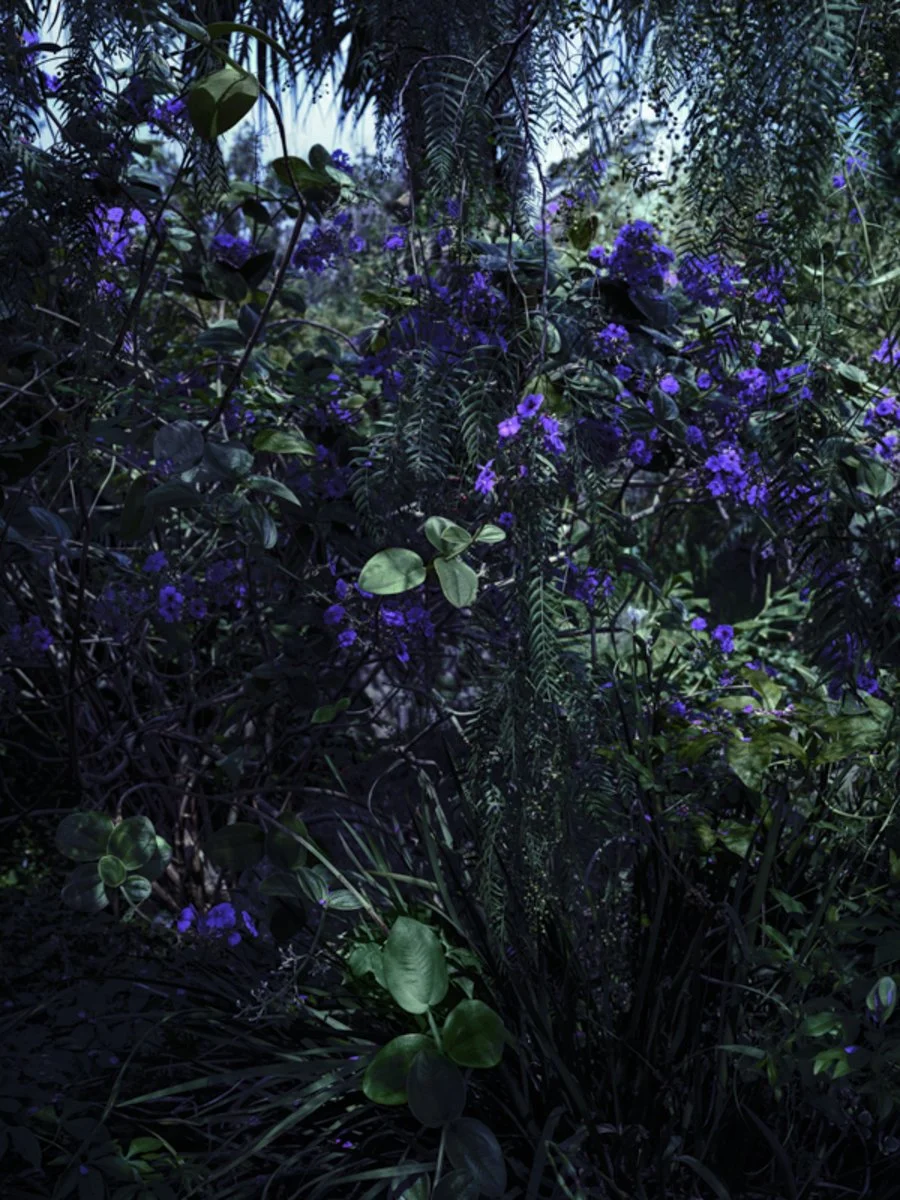
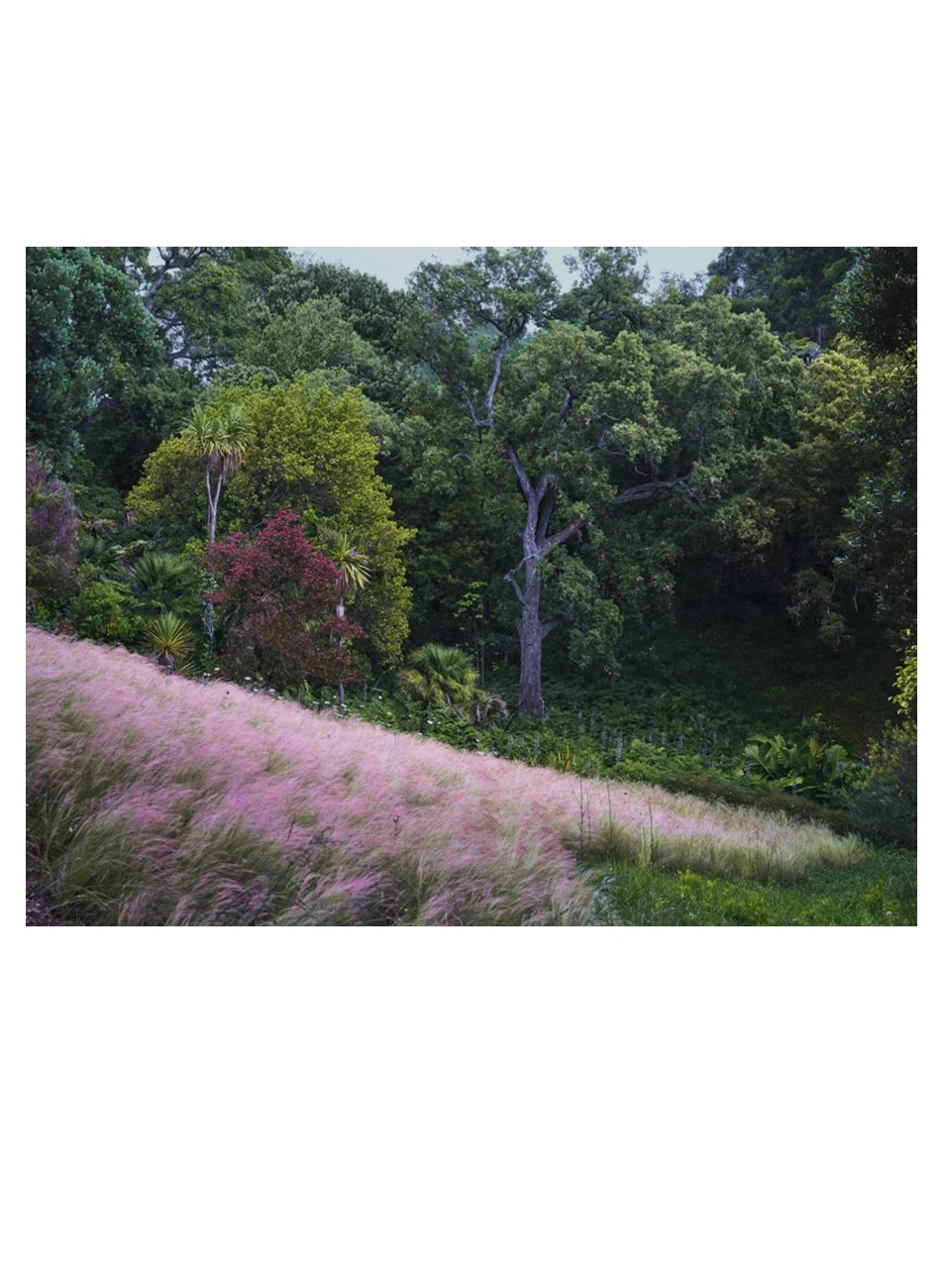
In the work of photo artist Tina Trumpp, flowers are reduced to their essence—form, light, and surface. Removed from any decorative context, they appear almost sculptural, defined by quiet precision and a strong sense of composition.
Her images focus on structure: the curve of a petal, the tension of a stem, the subtle geometry within organic growth. Light is used sparingly and deliberately, tracing contours and creating soft transitions between presence and shadow. Nothing feels accidental; each element is carefully placed, yet retains a natural stillness.
The color palette is often restrained, allowing tonal nuances to come forward. Whites, muted hues, and gentle contrasts emphasize materiality over vibrancy, directing attention to texture and shape rather than spectacle.
As fine art prints, these works carry a calm, almost meditative clarity. They invite a slower way of looking—one that moves beyond the idea of flowers as symbols, and instead encounters them as physical forms in space.
In this photographic approach, the flower becomes an object of study and perception, shaped by light and reduced to its quiet, essential presence.
Museum Archival Print
in following sizes:
60×45 cm (Edition 25 + 3 AP), 6.000,- Euro
80×60 cm (Edition 15 + 2 AP), 9.000,- Euro
120×90 cm (Edition 10 + 2 AP), 13.000,- Euro
180x135 cm (Edition 5 + 2 AP), 22.000,- Euro
About this fine art print:
In the work of photo artist Tina Trumpp, flowers are reduced to their essence—form, light, and surface. Removed from any decorative context, they appear almost sculptural, defined by quiet precision and a strong sense of composition.
Her images focus on structure: the curve of a petal, the tension of a stem, the subtle geometry within organic growth. Light is used sparingly and deliberately, tracing contours and creating soft transitions between presence and shadow. Nothing feels accidental; each element is carefully placed, yet retains a natural stillness.
The color palette is often restrained, allowing tonal nuances to come forward. Whites, muted hues, and gentle contrasts emphasize materiality over vibrancy, directing attention to texture and shape rather than spectacle.
As fine art prints, these works carry a calm, almost meditative clarity. They invite a slower way of looking—one that moves beyond the idea of flowers as symbols, and instead encounters them as physical forms in space.
In this photographic approach, the flower becomes an object of study and perception, shaped by light and reduced to its quiet, essential presence.